A Brain Health Framework for Sharper Memory and Better Focus During Perimenopause
The Healthy Life Approach Podcast with Kristen Beasley
Episode Summary
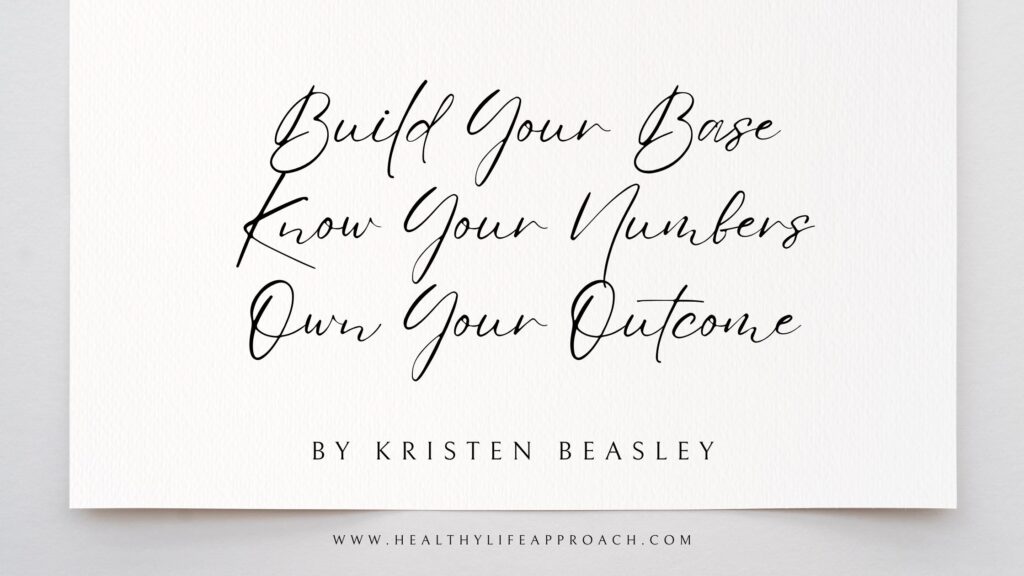
Are you experiencing afternoon brain fog, unexplained weight gain, or worried about your memory during perimenopause? In this episode, certified functional medicine and brain health coach Kristen Beasley introduces her comprehensive framework for cognitive wellness: Build Your Base, Know Your Numbers, Own Your Outcomes. Discover how the six pillars of brain health work together to help you take charge of your cognitive function during hormonal transitions.
What You’ll Learn in This Episode
- Why Alzheimer’s disease is increasingly called “Type 3 Diabetes” and what that means for your brain
- The glymphatic system: your brain’s nighttime cleaning crew and why sleep quality trumps quantity
- How dropping estrogen levels affect insulin resistance and brain fog — even if your diet hasn’t changed
- The Women’s Brain Health Initiative’s six pillars organized into three actionable phases
- Real-world example: How “Sarah” transformed her brain health using this framework
- Why up to 40% of dementia cases may be preventable through lifestyle choices
The Three Phases Explained
Phase 1: Build Your Base
Your brain health foundation includes three non-negotiables:
Sleep: During deep sleep, your brain activates the glymphatic system — clearing cellular waste including beta-amyloid, the protein that accumulates in Alzheimer’s disease. Remember: “Seven solid beats nine restless.”
Metabolic Health: Your brain uses about 20% of your daily glucose. When you’re insulin resistant, brain cells can’t access that fuel efficiently, leading to brain fog. Perimenopause makes this worse because dropping estrogen increases insulin resistance.
Movement: Exercise stimulates BDNF (brain-derived neurotrophic factor), a protein vital for neuron growth and survival. Balance training is equally important as cardio.
Phase 2: Know Your Numbers
Strategic tracking without obsession means:
- Understanding what’s happening inside your body
- Requesting comprehensive bloodwork (including fasting insulin)
- Daily check-ins: rate your sleep quality, energy, and mental clarity 1-10
- Using data to inform decisions, not create anxiety
Phase 3: Own Your Outcomes
This phase transforms you from passive patient to CEO of your health:
- Education about perimenopause and brain health
- Social connection as a brain health pillar
- Advocating for yourself with healthcare providers
This Week’s Action Steps
Build Your Base (choose one):
- Get morning sunlight within 30-60 minutes of waking — 10 minutes outside, no sunglasses
- Start every meal with protein before carbs
- Practice balance training (stand on one foot, time yourself)
Know Your Numbers:
- Start daily check-ins: rate sleep quality, energy level, and mental clarity 1-10
Own Your Outcomes (choose one):
- Write down one question for your healthcare provider
- Reach out to one person for social connection
Key Takeaways
- Small actions done consistently create big results over time
- Sleep quality matters more than sleep quantity for brain waste clearance
- Dropping estrogen makes women more insulin resistant, even without dietary changes
- Your brain can adapt — how you support it during perimenopause matters
- You’re not powerless: you have more control over your brain health than you think
Resources & Links Mentioned
Sponsor
- FullScript — Practitioner-grade supplements with third-party testing. Get a special discount through Kristen’s dispensary.
Products Mentioned
- SolShine Light Therapy — Light box therapy designed to mimic natural sunlight for circadian rhythm support
Lab Testing Options
- Function Health — Consumer-direct comprehensive lab testing (affiliate link)
- LabCorp OnDemand — Walk-in lab testing without a doctor’s order
Research & Organizations
- Women’s Brain Health Initiative — Six pillars of brain health framework
Coming Up Next
Episode 4: Sleep and Brain Health — Kristen shares her father’s story about REM sleep behavior disorder as an early warning sign of Lewy Body Dementia, plus practical sleep strategies that don’t require obsessing over your sleep score.
Future Episodes Include:
- Metabolic health and nutrition: which blood tests to request
- Exercise, BDNF, and why balance training matters
- Strategic measurement without obsession
- Becoming your own healthcare advocate
- Socialization as a brain health pillar
Connect with Kristen
- Instagram: @kristenjbeasley
- Email: kristen@healthylifeapproach.com
- Website: healthylifeapproach.com
Share your chosen action on social media with #BuildYourBase — making your choice public helps you follow through!
Disclaimer
Kristen Beasley is a certified functional medicine health coach and brain health educator, not a medical doctor. The information shared in this episode is for educational purposes only and is not intended as medical advice. Always consult with your healthcare providers before making changes to your health routine.
This educational content may contain affiliate links. As an Amazon Associate and affiliate for different brands, I earn from qualifying purchases at no additional cost to you.
Subscribe to The Healthy Life Approach podcast so you never miss an episode. Your brain health is worth the investment — and small actions, done consistently, create big results over time.
Take care of your beautiful brain.